
Discover the Best with Expert Insights

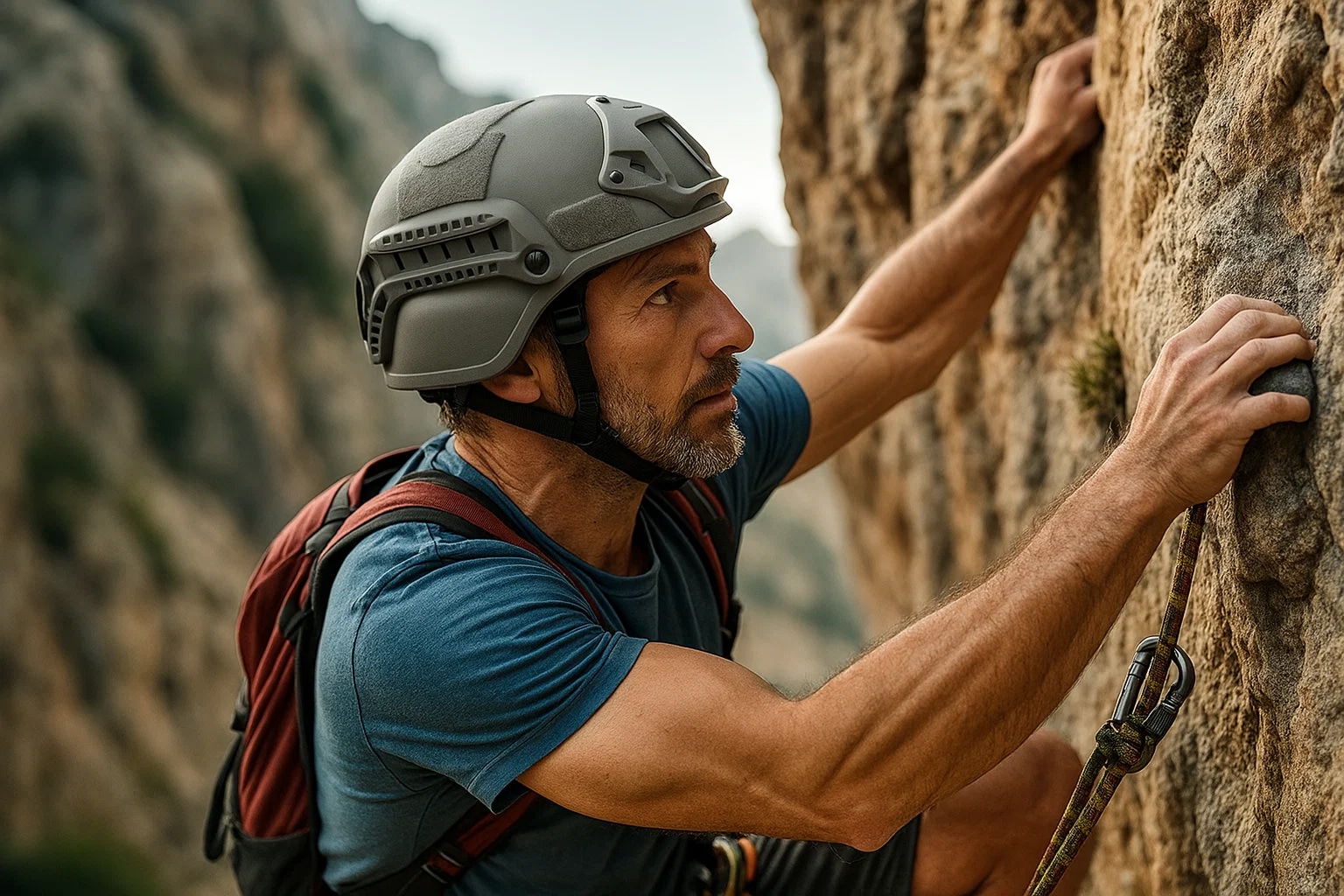
I'll never forget the moment a falling rock struck my old helmet during a climb in Yosemite - the sickening crack still haunts me. That terrifying experience taught me that choosing the right climbing helmet isn't just about comfort; it's literally a life-or-death decision. 😰
Many climbers face the nightmare of selecting helmets that look protective but fail when it matters most. Poor ventilation leaves you dizzy in summer heat, inadequate suspension systems cause painful pressure points during long climbs, and worst of all - substandard impact protection that could leave you vulnerable to catastrophic head injuries.
That's exactly why we've created this comprehensive guide to the best 5 climbing helmets of 2025. After rigorous testing and analysis, we've identified the top performers that combine superior impact protection, comfort, and reliability. Whether you're tackling alpine routes, sport climbing, or industrial rope access work, this article will guide you to the perfect helmet that could save your life. ⛰️
We've evaluated each helmet based on critical safety standards, real-world performance, and user satisfaction. From innovative suspension systems to advanced ventilation designs, you'll discover exactly what separates exceptional helmets from dangerous compromises. Let's dive into our evaluation criteria and find the helmet that will keep you safe on every ascent! 🧗
Compliance with EN 12492, ANSI Z89.1, and CE standards; EPS/EPP liner quality for superior shock absorption during falls and rockfall incidents.
Suspension systems, adjustable retention mechanisms, and moisture-wicking liners that ensure secure fit during extended climbing sessions without pressure points.
Strategic vent placement and adjustable airflow systems that prevent overheating while protecting from debris in varying weather conditions and climbing environments.
Lightweight construction using ABS shells and advanced materials that don't compromise structural integrity for long-term reliability across multiple climbing seasons.

The Askentop Climbing Helmet dominates the market as the undisputed champion of versatile protective headgear. 🏆 Constructed from premium ABS plastic with an intelligently designed inner suspension system, the Askentop delivers military-grade protection at a fraction of the cost of comparable FAST helmets.
The adjustable head circumference (560mm-600mm) accommodates virtually every adult head size, while the removable goggle sticker provides customization options that serious climbers demand. The simple yet effective suspension system distributes impact forces evenly, while the tactical design allows for seamless integration of communication devices and headlamps. 😊
What truly sets the Askentop Climbing Helmet apart is its remarkable versatility across multiple applications. Whether you're engaged in search and rescue operations, paintball competitions, or technical climbing, this helmet adapts flawlessly to your needs. The helmet's lightweight construction prevents neck fatigue during extended missions, while the robust ABS shell withstands repeated impacts that would destroy lesser helmets.
⛰️ The ergonomic design ensures that whether you're rappelling down cliff faces or navigating urban rescue scenarios, your head remains protected and comfortable. The multi-sport capability means you're investing in one helmet that serves multiple purposes - from CQB training to weekend climbing adventures - making it the most cost-effective choice for 2025.
With its proven track record in demanding environments and overwhelmingly positive user feedback, the Askentop Climbing Helmet represents the perfect intersection of affordability, protection, and functionality. This tactical-style helmet has revolutionized the climbing equipment industry by seamlessly bridging the gap between professional-grade protection and recreational accessibility. 🎯
The Askentop Climbing Helmet stands as the definitive choice, offering unmatched versatility and protection at an accessible price point. With limited stock availability, this is your opportunity to secure the helmet that professionals trust with their lives. DISCOVER NOW!

The PETZL Climbing Helmet represents the pinnacle of professional-grade climbing helmets, specifically engineered for workers who demand both superior comfort and comprehensive safety certifications. This high-visibility helmet targets professionals in industrial rope access, arboriculture, and rescue operations where extended wear periods require exceptional ergonomics.
Its revolutionary six-point textile suspension system combined with CENTERFIT and FLIP&FIT technologies guarantees secure positioning that eliminates the dangerous helmet shifting that plagues inferior designs. The adjustable-strength chinstrap adapts seamlessly between work at height and ground-level operations, while ventilation holes with sliding shutters provide customizable airflow management.
Weighing 490 grams with a 53-63 cm headband range, the VERTEX VENT achieves an impressive balance between protective coverage and wearable comfort. The fluorescent outer shell with phosphorescent clips and reflective bands ensures optimal visibility in low-light conditions, addressing the critical safety concern of worker visibility during dawn, dusk, or nighttime operations.
What distinguishes this helmet is its modular accessory integration system, allowing seamless attachment of Petzl headlamps, hearing protection, and specialized equipment. This adaptability makes it the preferred choice for professionals who require mission-specific configurations without compromising the helmet's structural integrity or safety ratings across multiple international standards.

The LAND Climbing Helmet emerges as the innovative solution for climbers seeking advanced impact protection through its proprietary four-point suspension system with EPS impact liner. This cutting-edge design specifically targets users in high-risk industrial environments, arboriculture, and technical rescue operations who require certified protection.
Its adjustable ventilation system with optimized vent openings solves the persistent problem of inadequate airflow in traditional hard hats while maintaining debris protection. The moisture-wicking, removable headband liner addresses the hygiene concerns of professionals who wear helmets daily, offering easy maintenance that extends the helmet's usable lifespan.
Weighing under two pounds with a low-profile ergonomic design, the AeroPro incorporates a four-point ratchet retention system with an adjustment dial that provides micro-fit customization. This attention to fit precision prevents the dangerous helmet movement that occurs during dynamic activities, ensuring consistent protection whether you're scaling vertical faces or working suspended from rope access systems.
The helmet's triple certification (ANSI/ISEA Z89.1 Type I Class C, EN 12492, EN 397) demonstrates its versatility across climbing and industrial applications, making it the ideal choice for professionals who transition between recreational climbing and commercial rope work without needing multiple helmets for different activities.

The JSP Climbing Helmet brings sports climbing technology into industrial safety equipment, featuring an Expanded Polypropylene (EPP) liner that meets EN12492 mountaineering standards for multi-directional impact protection. This innovative approach specifically addresses the elevated risks faced by workers in construction, utilities, and rescue operations.
Its vented design with Revolution wheel ratchet and 3D adjustment harness offers 1-2-3 point depth settings that accommodate diverse head shapes. The short brim design increases upward visibility, crucial for workers who need to monitor overhead hazards while maintaining protection from falling objects.
The helmet's universal accessory slots compatible with Surefit visors and helmet-mounted ear defenders provide exceptional modularity for job-specific requirements. Optional CR2 Reflective Kits deliver approximately 60% more reflectivity than standard reflective clothing, significantly enhancing nighttime visibility.
With its four-point chin strap and slim EPP liner design, the JSP Climbing Helmet maintains compatibility with integrated eyewear systems, allowing workers to combine head, eye, and hearing protection in one cohesive safety solution without the bulk and interference issues that plague traditional multi-component PPE setups.

The Tontron Climbing Helmet delivers essential protection for budget-conscious climbers through its high-impact ABS shell and high-density EPS liner construction, meeting CE EN12492 certification standards. This helmet specifically targets recreational climbers, cavers, and water sports enthusiasts who need reliable protection without premium pricing.
Its six sideways vent holes provide breathing capability while preventing small gravel infiltration. The adjustable back-of-head closure system and integrated headlamp buckles accommodate universal headlamp assemblies, making it practical for multi-day expeditions requiring hands-free illumination.
Weighing 370 grams with size options covering 49-60cm head circumferences, the CH02 offers adequate protection for various climbing disciplines. The optional removable visor provides additional sun, rain, and whitewater protection - particularly valuable for kayakers and rafters who face water spray and intense sun exposure during extended river trips.
The helmet's ABS and EPS material combination creates effective impact energy attenuation, with the manufacturer emphasizing that any helmet subjected to severe impact should be replaced - a transparent safety message that demonstrates Tontron's commitment to user protection over product longevity claims that prioritize sales over safety.
Climbing helmets are specialized protective headgear designed to safeguard climbers, mountaineers, and rope access workers from falling objects, rockfall, and impact injuries during vertical activities. Unlike standard hard hats, climbing helmets incorporate advanced suspension systems and impact-absorbing liners specifically engineered for the dynamic forces encountered during falls and collisions.
Modern climbing helmets utilize materials like ABS plastic shells combined with EPS (Expanded Polystyrene) or EPP (Expanded Polypropylene) foam liners that compress upon impact, dissipating energy away from the skull.
The evolution of climbing helmet design has produced specialized variants for different disciplines: lightweight sport climbing helmets prioritizing minimal weight, ventilated alpine helmets for extended mountain expeditions, and hybrid industrial helmets combining climbing protection with workplace safety features.
Whether you're a weekend rock climber, professional arborist, or rescue technician, selecting the appropriate climbing helmet involves balancing protection levels, comfort features, certification requirements, and activity-specific needs.
Owned by ONDIRA COMMERCE PTE. LTD.
Ratedreviewchoice.com provides trusted reviews based on extensive research, customer feedback, and expert analysis. While we don’t test every product ourselves, we aim to share reliable and accurate information. Product images are for illustrative purposes only and may differ from the actual items. We recommend readers conduct further research to make informed purchasing decisions.
© 2025 ratedreviewchoice . All rights reserved.